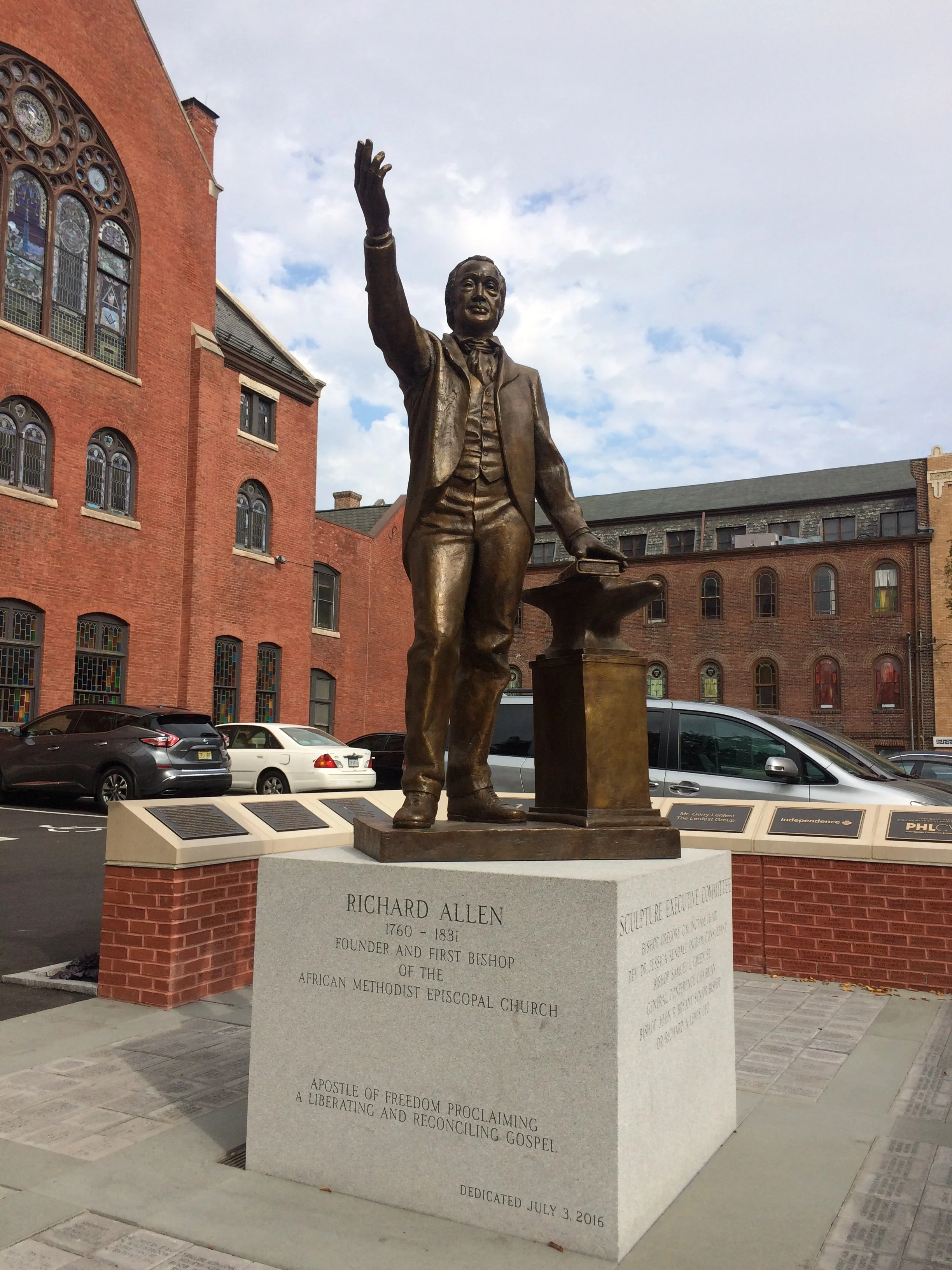
Current Tours
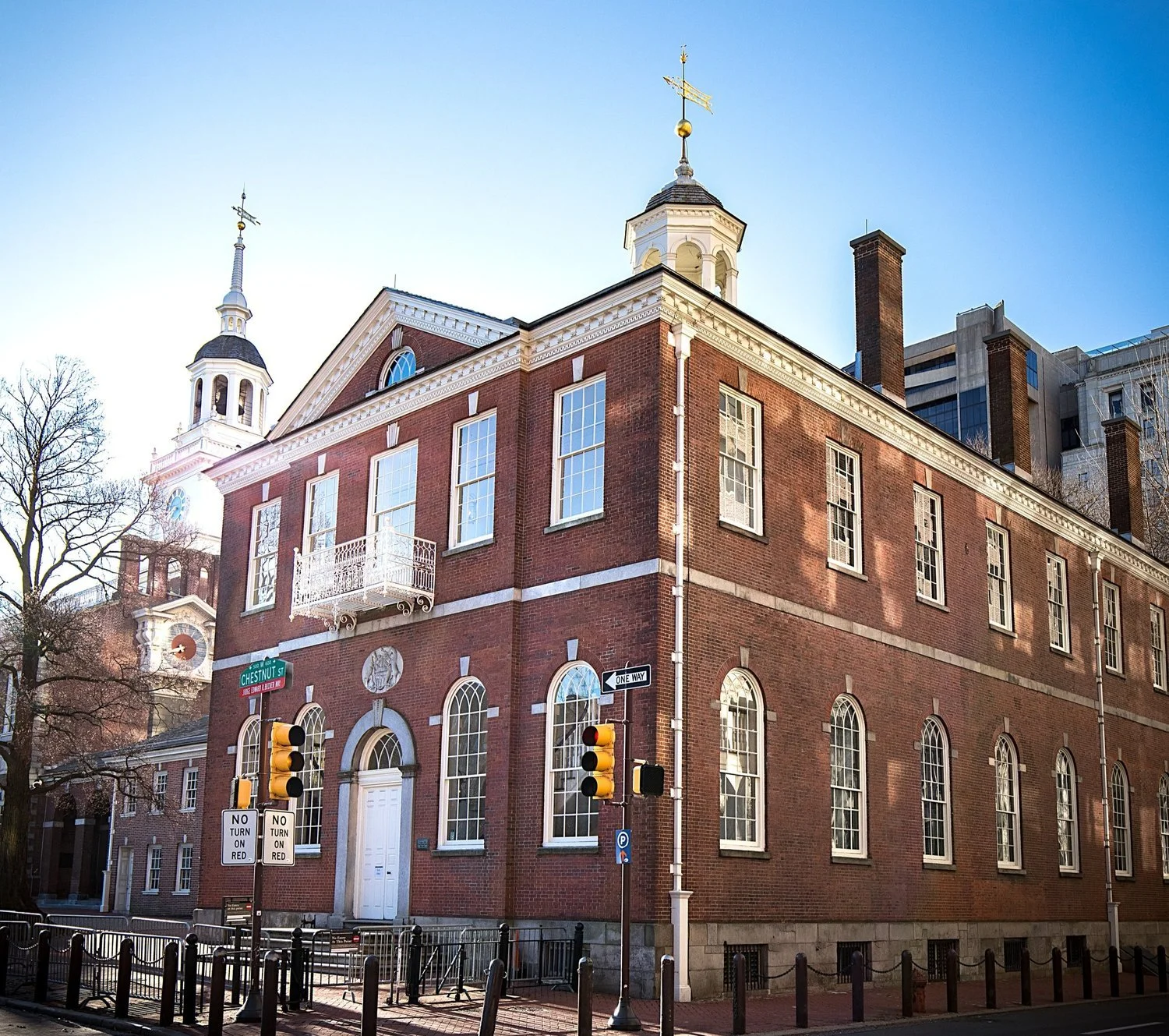
Religious Freedom in Early Philadelphia
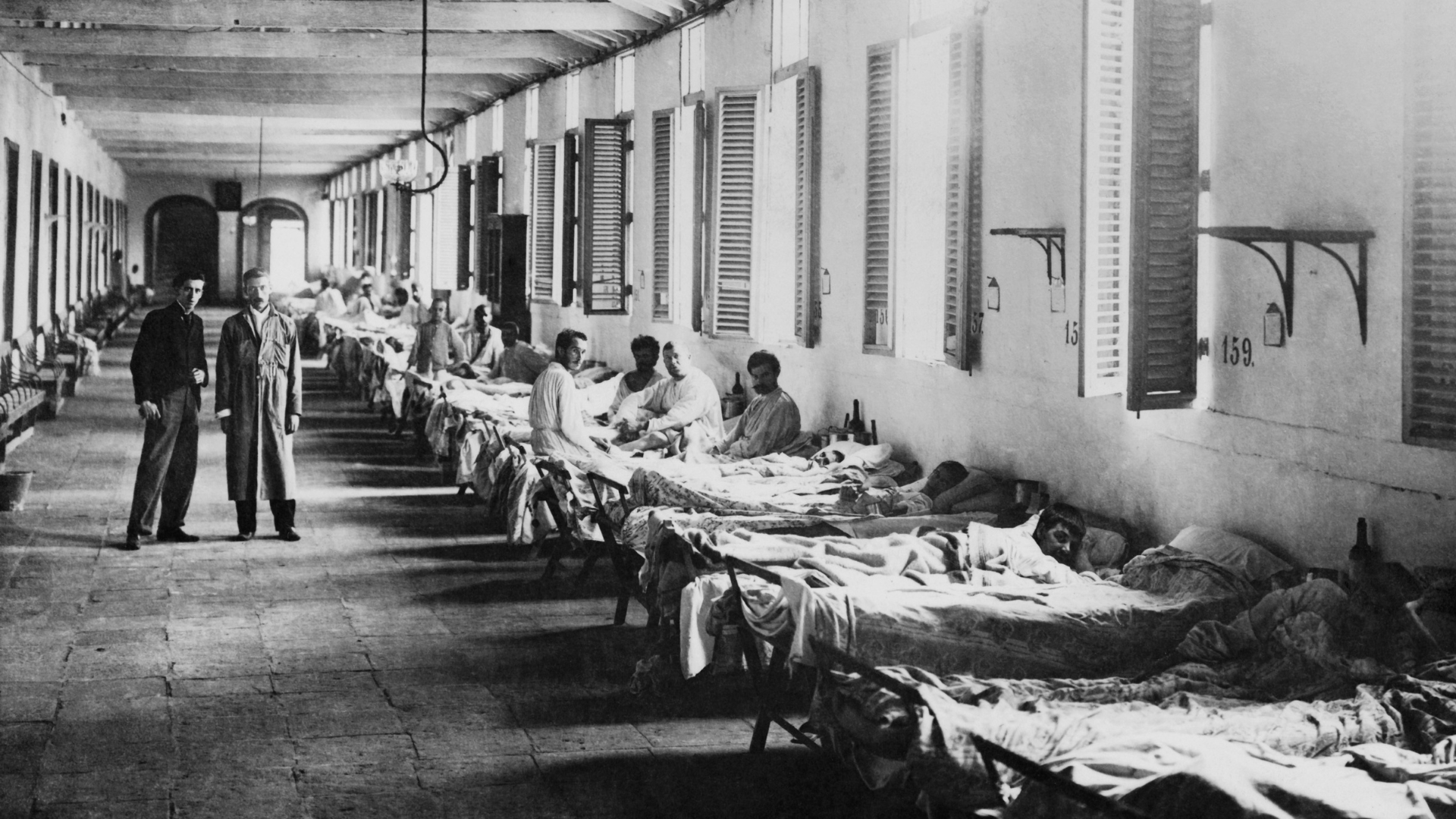
Philadelphia’s Yellow Fever Epidemic
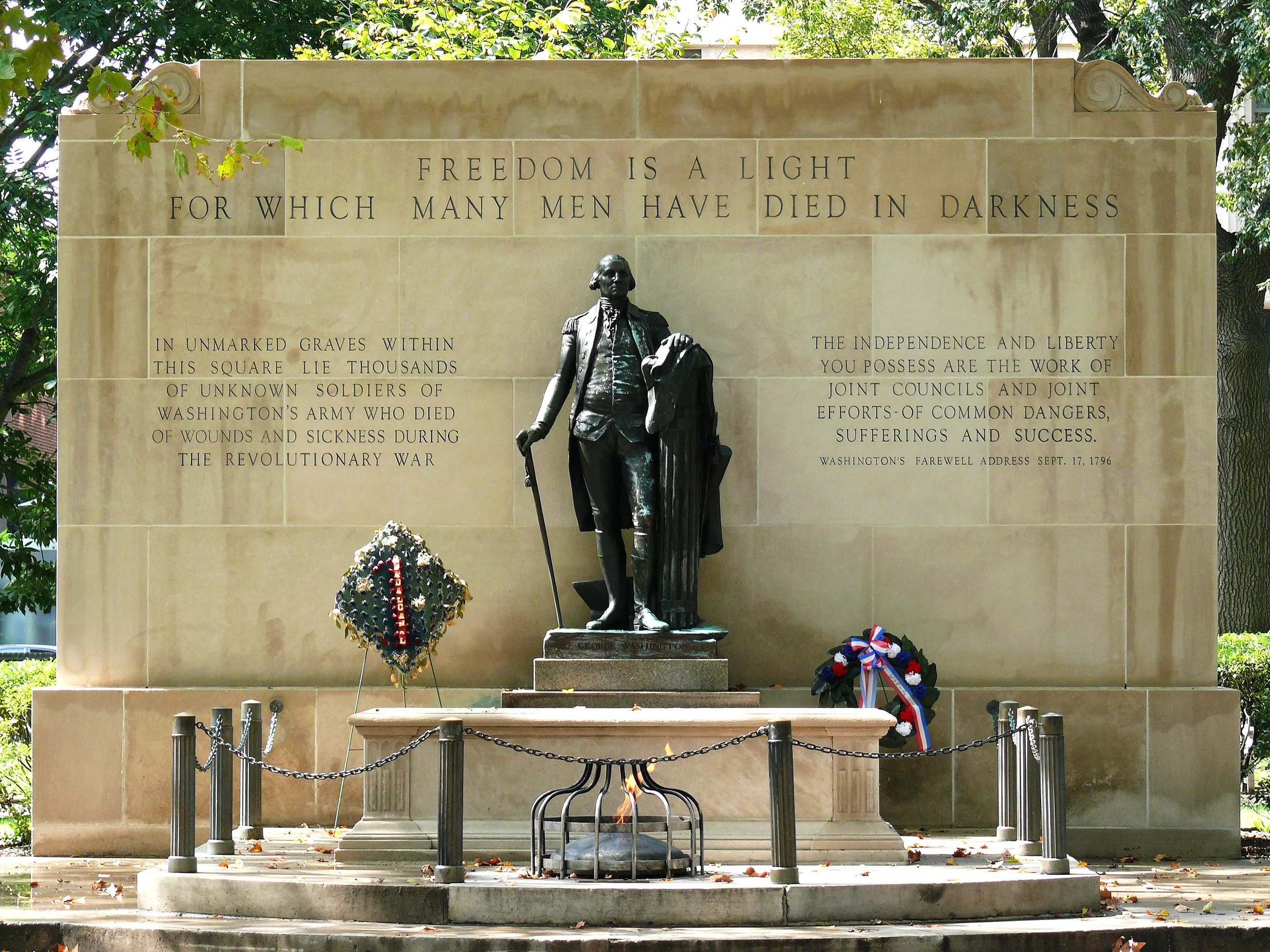
Religion and the Revolution
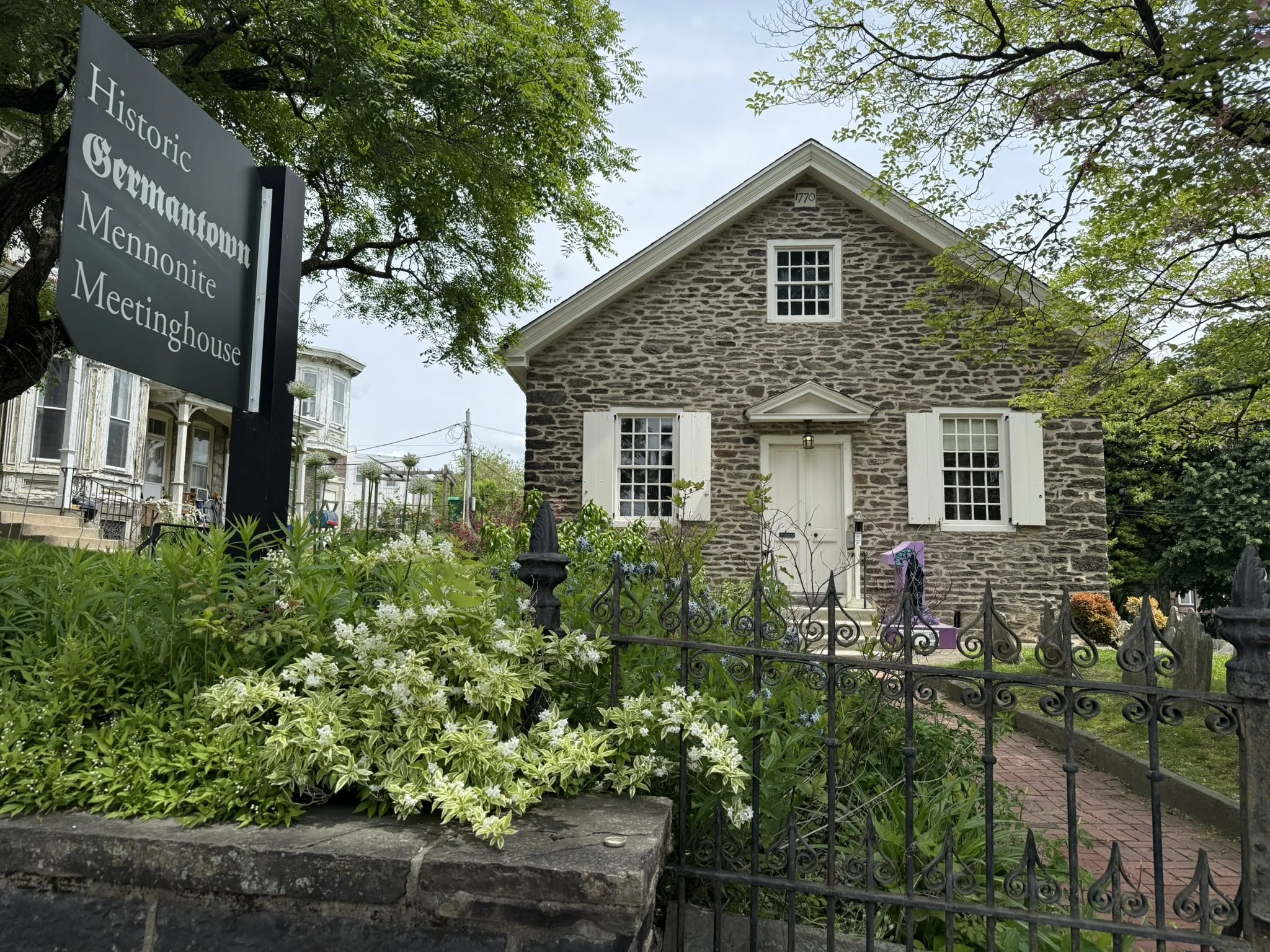
Religion and Freedom in Historic Germantown
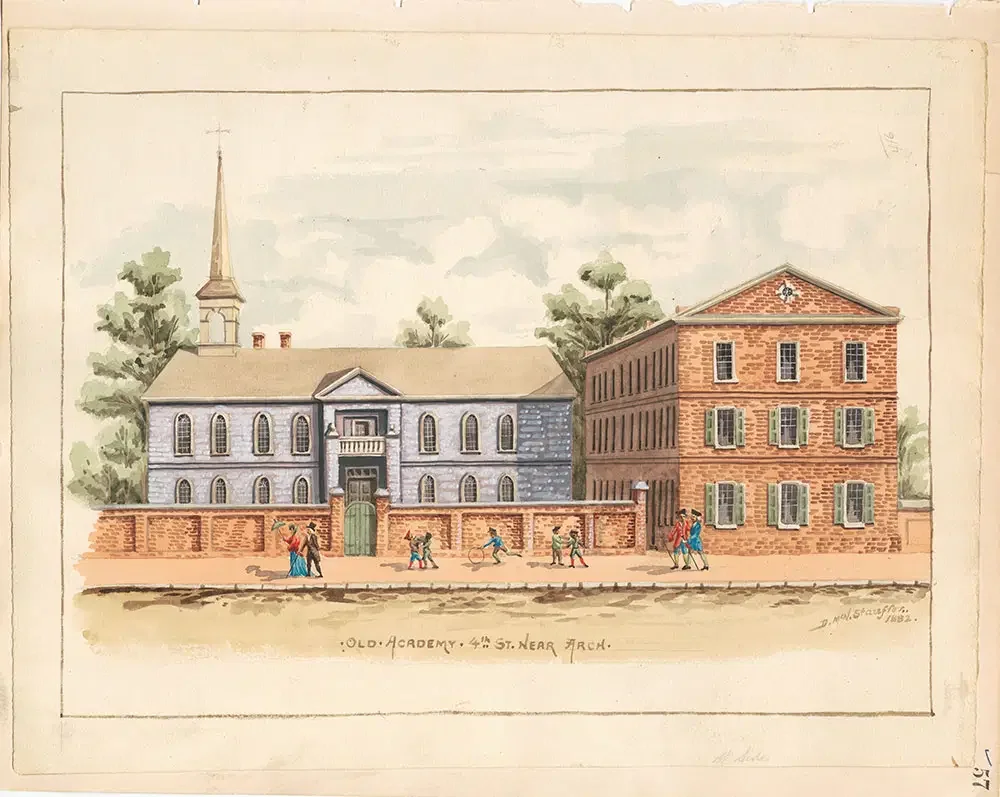

What People Are Saying
-
On the "Religious Freedom in Early Philadelphia" walking tour, our students got to connect what they've learned about religious diversity and democracy in the classroom to the rich history and geography of our city. Dave Krueger was a wonderful tour guide -- informative and engaging, and full of stories that made the history and its legacy in the present come alive for our students.
— M.F., Haverford College
-
Philadelphia in general and Germantown in particular is rich with religious history. This tour will have you seeing the sites in a new light--the light that these families thought they were bringing to the new world, the disputes they had over slavery, religion, and commerce. Endlessly fascinating!
— E.R., Ann Arbor, Michigan
-
“A very informative tour that kept everyone’s sharp attention all the way through. Dr. Krueger is an excellent teacher as well as a tour guide. He kept us involved by asking questions, and allowed other people to make comments. Our group looks forward to another tour in the future! ”
— M.A., Friends in the City
We offer historical tours that explore Philadelphia’s role as the birthplace of American democracy and religious freedom. Our tours stimulate dialogue about how the past can speak to American civic life for America 250 and beyond.
Typical walking tours are 2 to 2.5 hours in length and include the offerings listed above. 90-minute versions may be appropriate for middle and high school groups. Driving tours can be accommodated if transportation is arranged.
Tours can be customized to specific themes, time periods, topics, or regions of the city. Tours and programs can be extended to a full day or multiple days, incorporating lectures by local scholars, dialogue training, and facilitated experiences with local communities. Programs can be adapted for a variety of groups (high school, college, older adults, academics, religious, etc.)
Email tours@dialogueinstitute.org to inquire about customized programming.
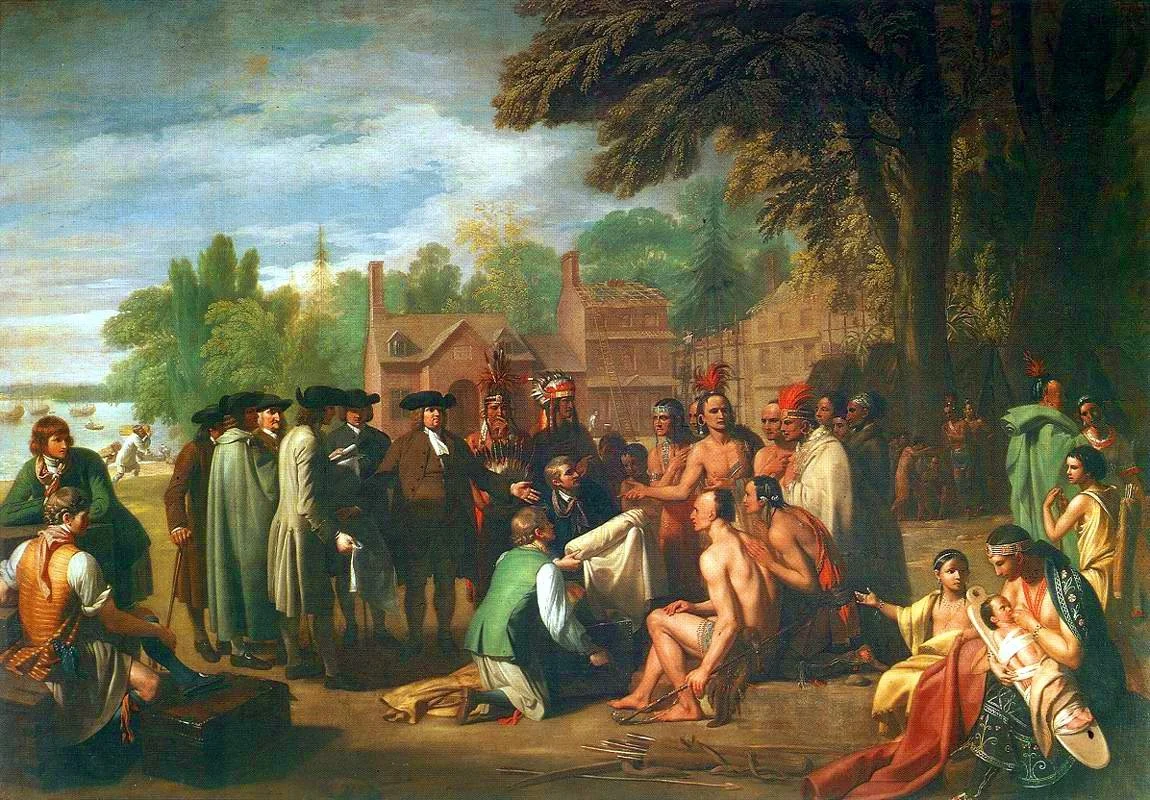
In 1682, the Quaker William Penn established a colony known for its high degree political and religious freedom. Over the next century, Pennsylvania became a haven for a wide range of religious groups seeking freedom from persecution.
Dialogue Institute tours unearth stories of Philadelphia’s early religious diversity, which included a dizzying array of Protestants (including Lutherans, Presbyterians, Methodists, Mennonites, Moravians, etc.), as well as Catholics, Jews, Muslims, Deists, Freethinkers, and those who practiced indigenous religions. Encounters between and among these groups sometimes lead to conflict, but also to cooperation and innovation. While the benefits of religious freedom were often experienced unevently, Pennsylvania’s "holy experiment” profoundly influenced the nation’s founding commitments to religious freedom.
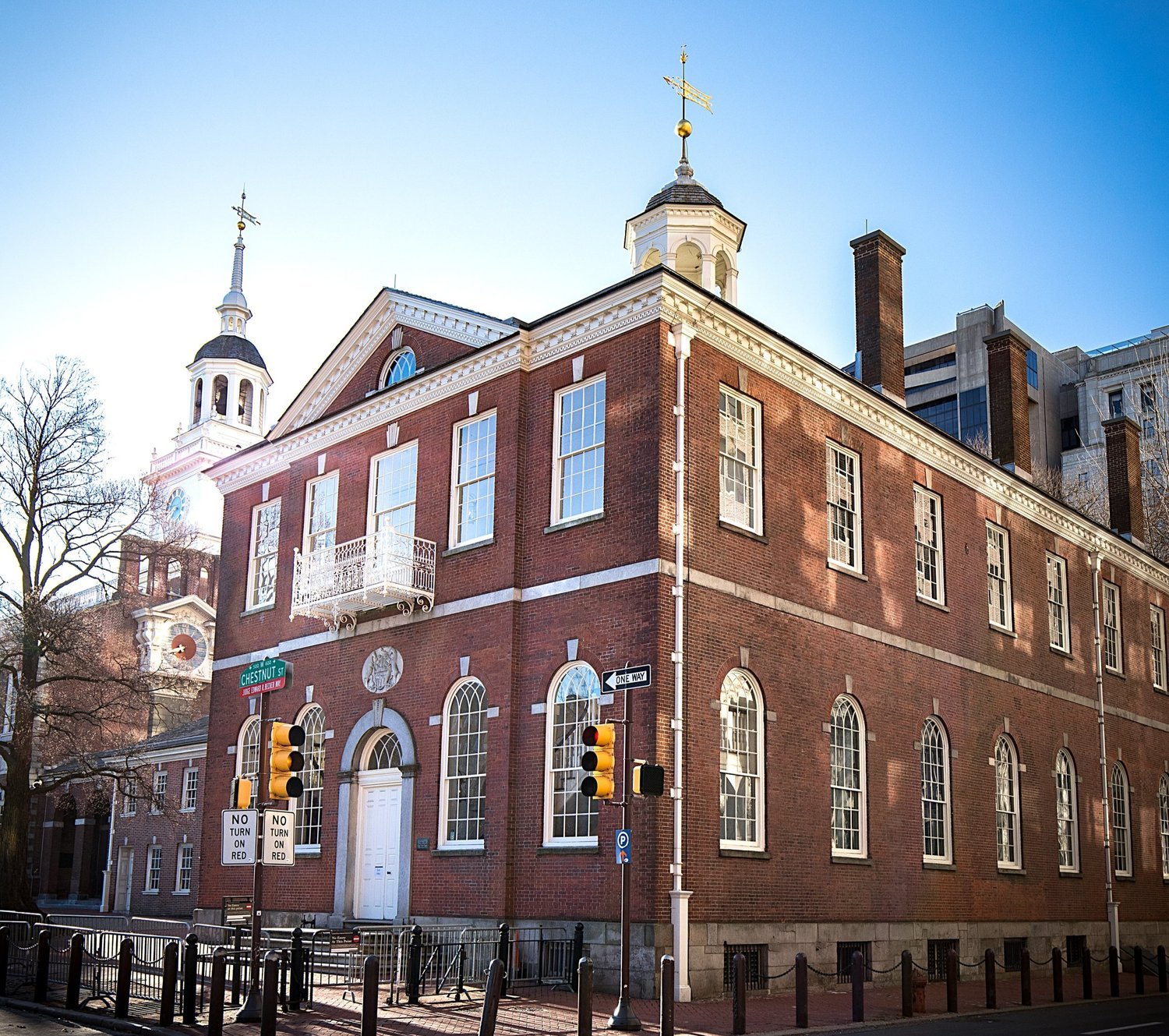
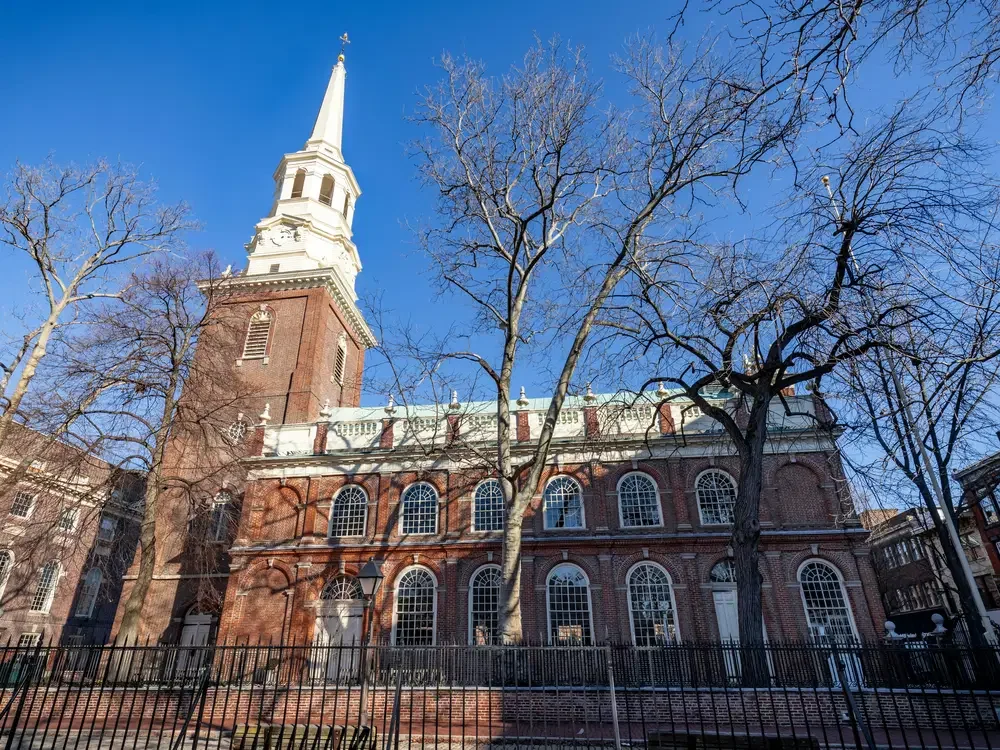
Dialogue Institute tours explore will take you grand locales such as Historic Christ Church towering over 2nd & Market Streets, modest sites, such as Mikveh Israel cemetery, situated on a quiet residential street, and civic sites like Washington Square and Carpenters Hall where the complex influences of religion on social issues are explored.
Sample Tour Sites
-
![]()
Christ Church (Episcopal)
20 N. American Street
-
![]()
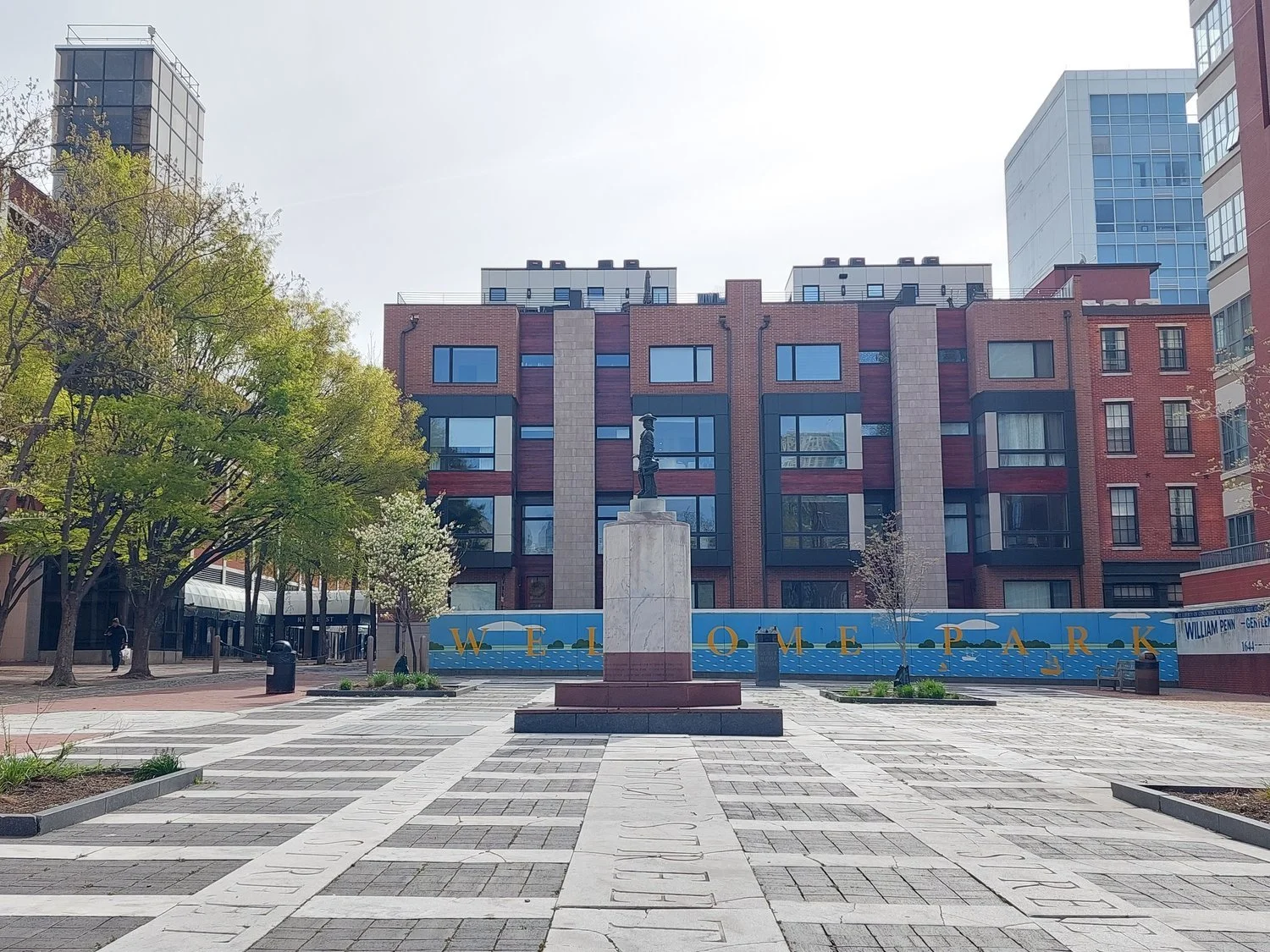
Welcome Park
129 Sansom Walk
-
![]()
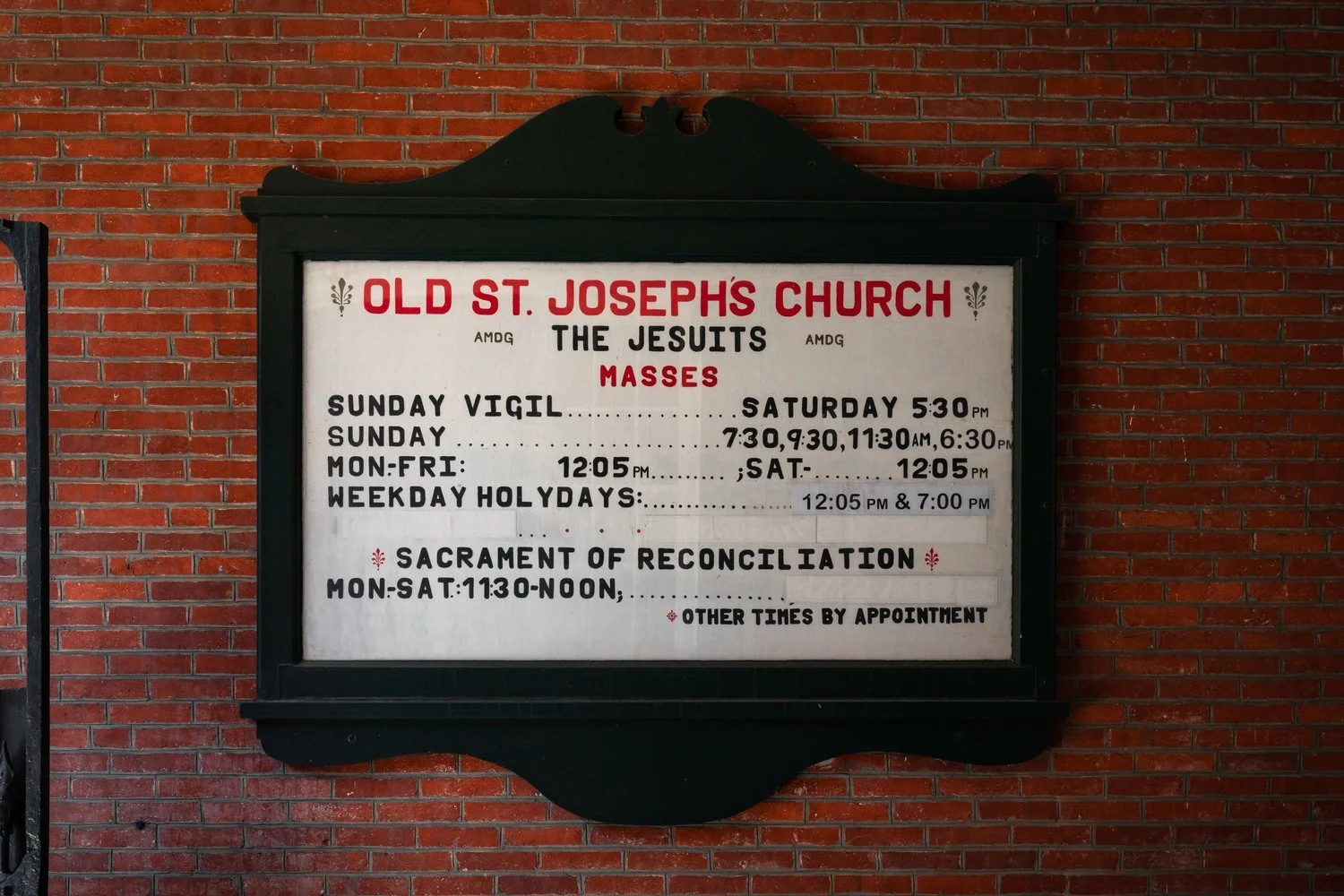
Old St. Joseph’s (Catholic)
321 Willings Alley
-
![]()
Washington Square
210 W Washington Square
-
![]()
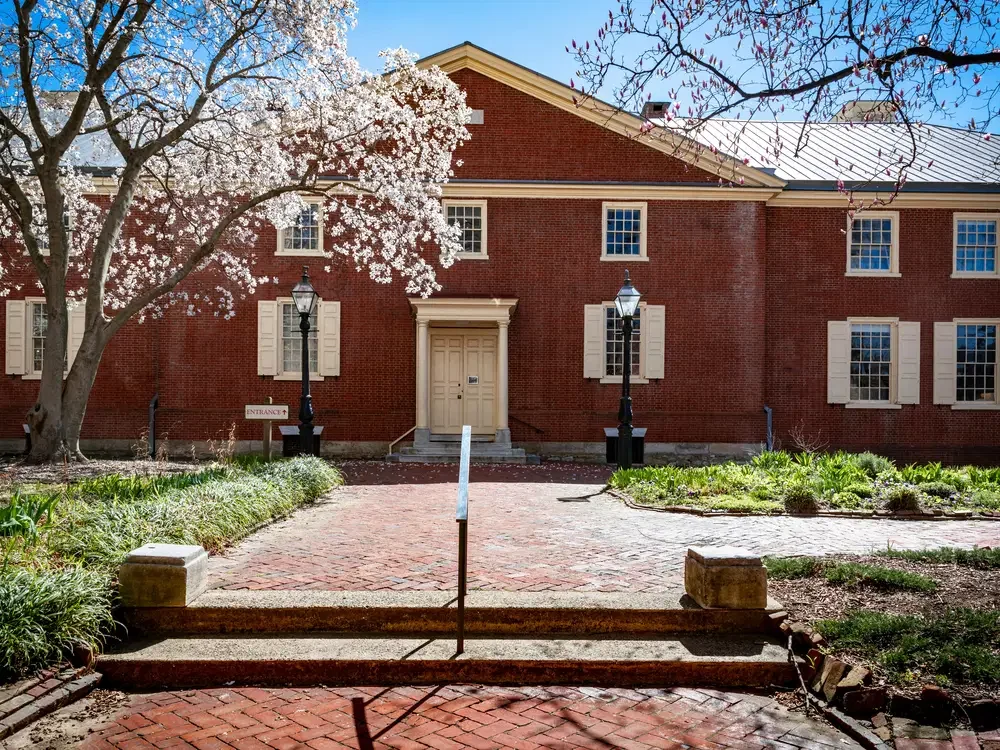
Quaker Meetinghouse
320 Arch Street
-
![]()
Independence Square
111 S Independence Mall
-
![]()
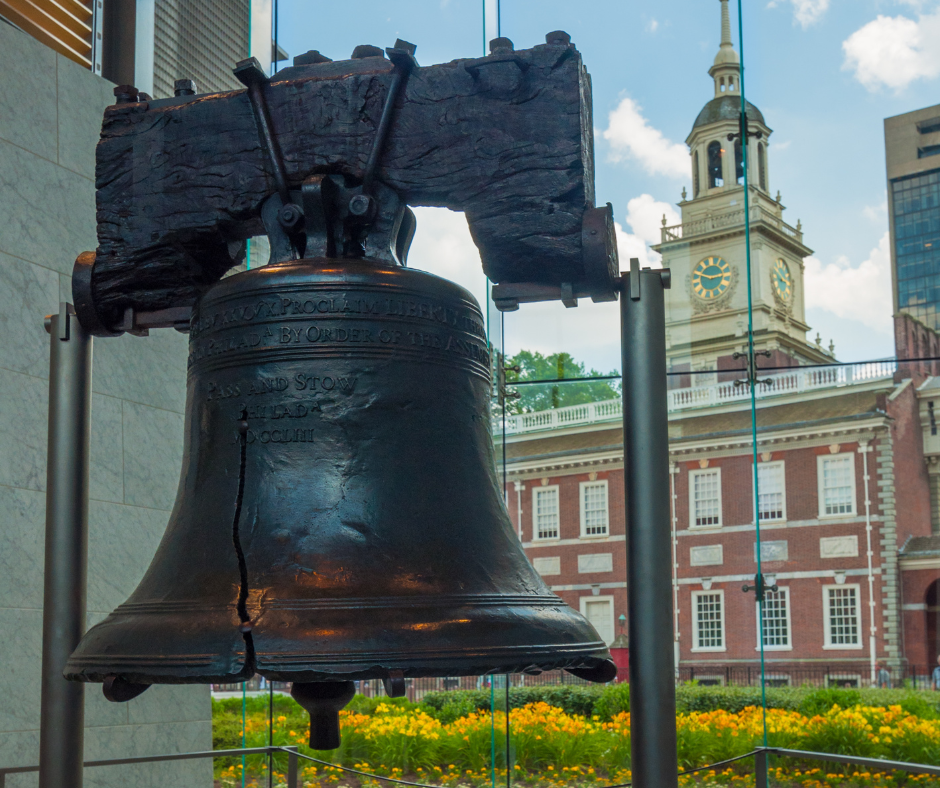
Liberty Bell
526 Market Street
-
![]()
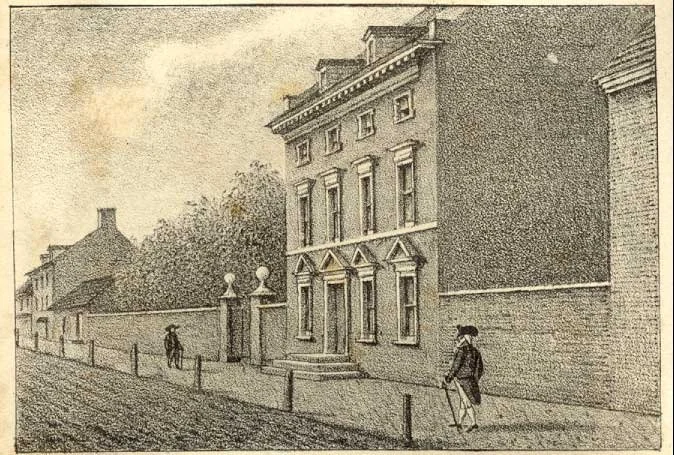
President’s House
6th St & Market Streets
-
![]()
College of Philadelphia
4th & Arch Street
-
![]()
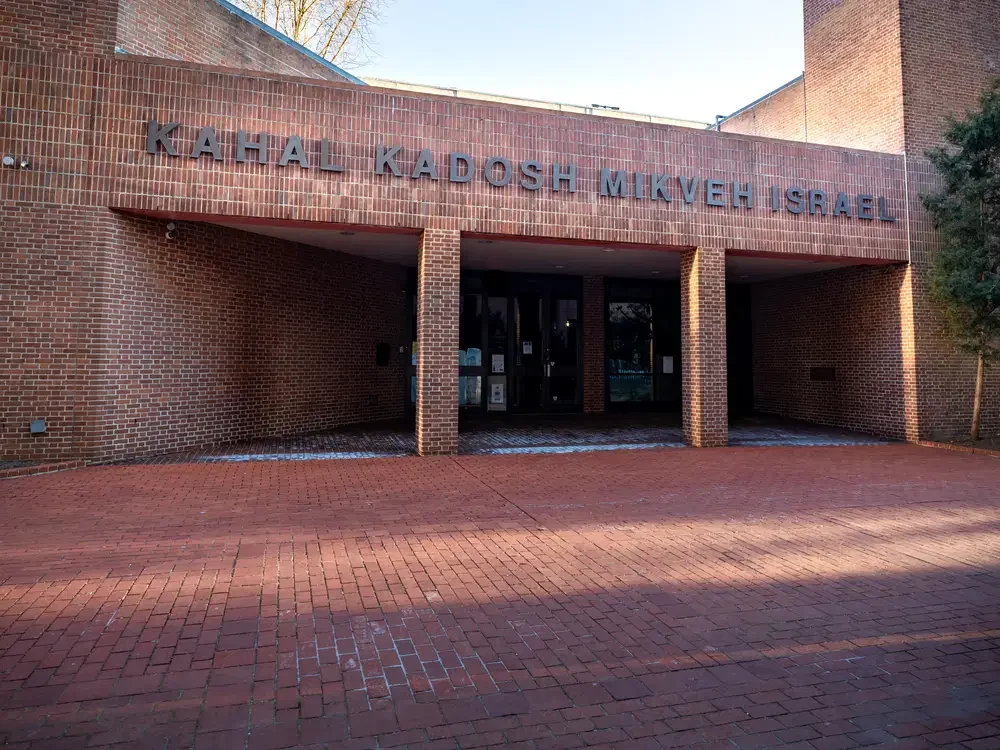
Mikveh Israel Synagogue
44 N. 4th Street
-
![]()
Mother Bethel A.M.E
419 S. 6th Street